November 27, 2023

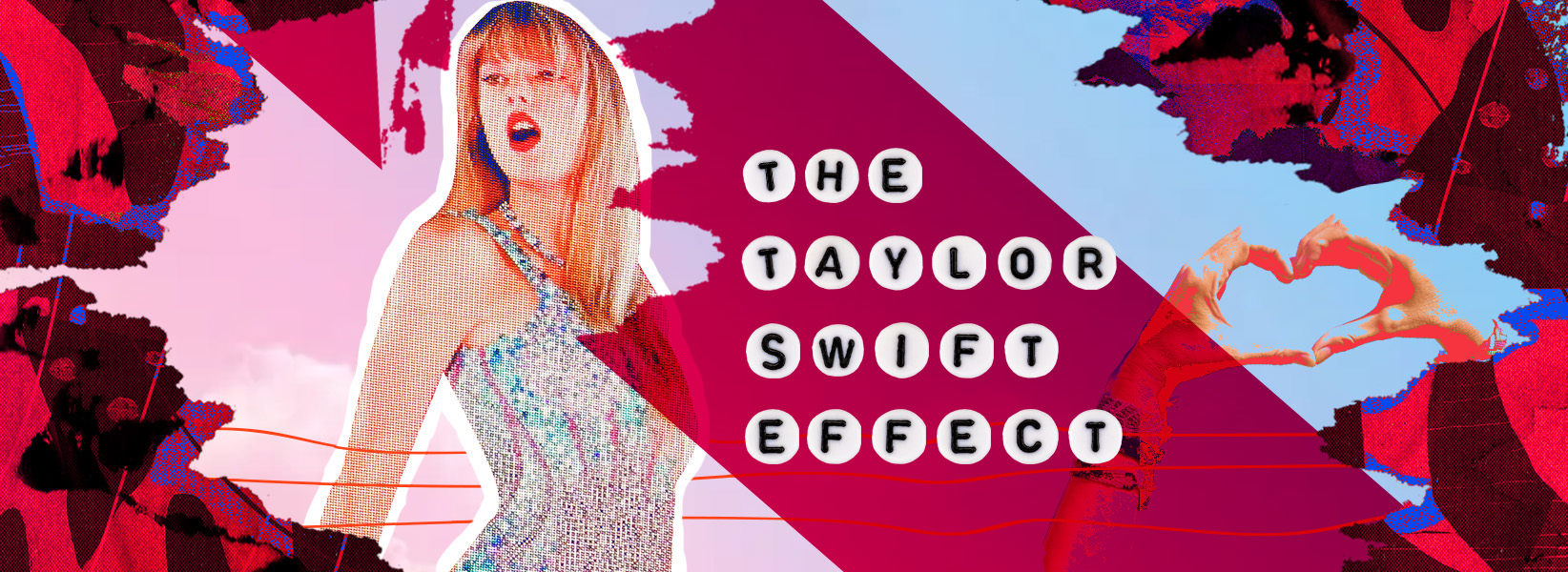
The Taylor Swift Effect

It’s difficult to come across news articles these days that don’t mention Taylor Swift in some record-breaking way. Whether it’s multiple tracks of her album dominating the Billboard 100s, concerts selling out shows – breaking Ticketmaster to the point of policy change and entirely shifting/boosting the American economy – concert movies breaking theater records in an era where the movie theater industry has been struggling to fill seats, or her dating life with football star Travis Kelce revitalizing interest in the NFL for a new demographic, Taylor Swift has become somewhat mythic in the pantheon of American idols. The simple authenticity that permeates her songs about crushes, love, and imagination have remained resonate across ages, and it’s come to the point where Taylor Swift’s presence has developed into an homage to girlhood, to Americana-core, and to the sort of long-standing powerful nostalgia that is difficult to find in an era where trends come and go faster than water.

It's difficult to know what an ordinary individual can learn from this level of superstardom. We as consumers can only marvel as spectators, enjoy her music or her shows, or simply nod passively in acknowledgement at the name if we’ve never really resonated with her material.

But what I think is interesting about the Taylor Swift Effect is that it brings to attention the power that loving a thing can not only have on an individual, but on an entire community.

America is in a period of deconstruction. Deconstruction of once long held American values, of religion, of identity, of politics, of media, of society, and the list goes on. The tentpoles of what used to easily hold our American ideologies together under a neat bow come into question daily as the world undergoes intense changes and diverse challenges. Changes and challenges that are now more visible and accessible than ever with social media and the internet. And while change is not only necessary but inevitable, one disheartening side effect of it becoming such a spectacle is the loss of belief.

The loss of belief is the loss of easily loving a thing for not only what it means to you but what it means to a collective. It’s the loss of being in awe of a symbol, and for being in awe in general. It’s a moving experience that can reorient a person in the direction of purpose and motivation and joy. But it’s also a simple experience, unencumbered with the complexity and nuance we often ask of our leaders, our teachers, and ourselves especially as media bombards us with a million new views. So, to choose into the experience of simple joys especially in an age where everything is visible, we must find ourselves indulging all the way, incautiously, wholly, and deeply into things that bring us together.

Something important to remember when it comes to the work we do, no matter the industry we’re in, the role we have, the person we are, is to enjoy and pay attention to things that cause this kind of unity and excitement. Even if you don’t listen to her music, it’s hard to ignore her impact. And maybe you don’t even like Taylor Swift, her personality, or her music. Because again, so many others do.

So, to find the Taylor Swift effect in our ordinary lives is to be excited about the shows everyone is watching at the office, to talk about the commercial at the Superbowl everyone remembered, the meme circulating social media, the trend we decided to participate in, the client everyone loved, or even the day at work where everyone was on the same wavelength. To find the Taylor Swift effect is to find anything that collectively revitalized our beliefs in what it means to find lively meaning, together. Even if on a much smaller scale.

When we all do this, we not only revitalize our personal economies, communities, and experiences, but we also allow significance to re-enter the daily grind. Maybe not at Ticketmaster-breaking-box-office-smashing levels. But levels, nonetheless. Deeply personal levels that make you remember what you like about your job, the people in your life, or the little rituals of your day.

When we do this, we allow ourselves to be excited by the value of it all, to celebrate that we don’t only exist in vacuums of lonely existential consciousness but exist among other people whose experiences are just as actual as ours. We allow ourselves to be a fan in the back row of a Taylor Swift concert, screaming about the agony of an unrequited crush at the top of our lungs among a sold-out show of tens of thousands, in total admiration that everyone out there is fully present.

Just like us.


August 29, 2023

MarTech Stack Fundamentals

A well-built MarTech stack that works together cohesively, will allow your organization to amplify its marketing efforts and achieve measurable results, while fostering collaboration, drive efficiency, and enhance the customer experience.

Building Your MarTech Stack:

  1. Identify Your Goals: Start the process by identifying your marketing goals and objectives. This will guide your selection of tools and ensure they align with your overall strategy.
  2. Core Tools: Your toolkit should include a customer relationship management (CRM) system, marketing automation platform, content management system (CMS), and analytics tools. These tools will allow you to manage your customer data, automate marketing processes, and measure performance.
  3. Specialized Tools: Your business’ needs might call for specialized technologies. These could include email marketing software, social media management platforms, search engine optimization (SEO) tools, advertising platforms, and more. These critical tools will enhance your stack's capabilities and allow you to target different channels and tactics.
  4. Integration: Ensure that your tools can communicate and share data with one another seamlessly. Integration eliminates data silos, provides a holistic view of your marketing efforts, and enables efficient collaboration across teams.
  5. Scalability and Flexibility: Your MarTech stack should be scalable and adaptable to your evolving needs. As your business grows, you might need to add or replace tools within your stack. Choose tools that offer scalability and flexibility, enabling you to adjust and optimize your stack as required.

By carefully selecting and integrating the right tools, you can unlock new levels of effectiveness and creativity in your marketing efforts.


August 10, 2023

The Remix Revolution

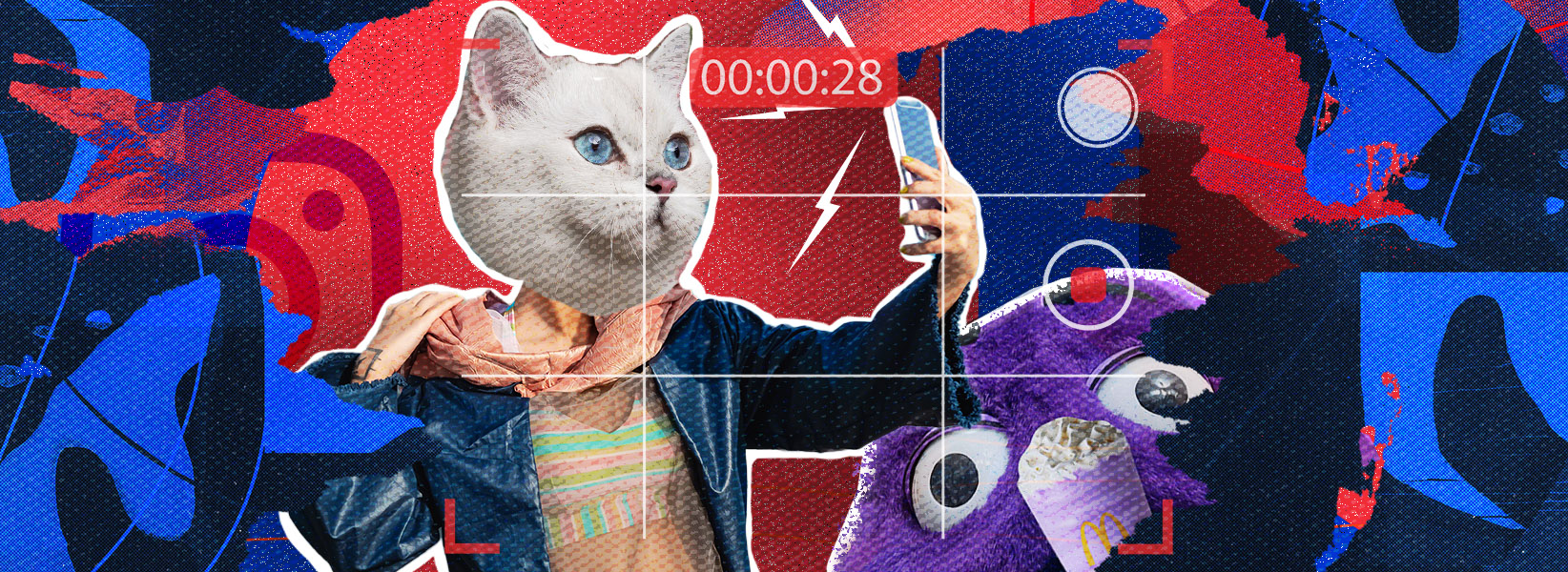
In the era of digital media and social networking, Gen Z is harnessing their collective creativity and technological prowess to reshape the way we engage with advertising content. The power of YouTube and TikTok has provided a sandbox platform for “the kids”, as I call them, to embrace and remix video advertising songs, creating a vibrant subculture of creative expression and unexpected content, of which advertisers have almost zero control over. The latter can be downright absurd, and sometimes even scary. (More on that later.)

But it’s not just the latest pop or rap song subject to a digital hacksaw, advertisement songs (aka jingles) and videos are transformed into something entirely new and unexpected. This process provides a sense of empowerment to the consumer. By engaging with advertising content in this way, they actively participate in shaping popular culture rather than passively consuming it. These creations have the potential to go viral, reaching millions of viewers worldwide. This virality creates a ripple effect, sparking conversations, trends, and cultural references that become a part of popular culture.

But first, a brief history:

The origin of advertising jingles can be traced back to the 1850s when businesses started using catchy tunes to promote their products. The 1920s to 1950s marked the golden age of advertising jingles with the rise of commercial radio. As television became popular in the 1950s and '60s, jingles found a new medium to reach a larger audience. Companies like Coca-Cola, Oscar Mayer, and McDonald's are among those that used jingles to create lasting brand awareness. Catchy little tunes became an integral part of commercials, embedding brand messages into the minds of viewers on a national scale.

After a slight decline on the late 90s / early 2000s, jingles are back in a big way. In the digital age, jingles have found a new life through online platforms and social media. Short, catchy sounds are used in digital campaigns (sometimes just a few seconds), and brands intentionally create viral shorts (or try desperately) to gain widespread attention.

Which bring us to power tools, and a cat.

Created way back in 2021 (an eternity for web culture), the Cat Vibing to the Home Depot Theme Song is an origin story of sorts, to an unexpected new genre. (The vibing cat itself originated in yet another video but I digress…)

It has all the critical elements of a smash viral hit:

  1. A cat (Cats in internet memes are a tale as old as time.)
  2. A cheesy corporate jingle
  3. Comedy

The video itself is hilarious. The cat’s head bobbing to the beat juxtaposed with images of construction workers and power tools makes me laugh every time, and yes, I have watched it many times over. It’s absurd.

It’s popularity among Gen Z is something a corporate marketing campaign could never achieve intentionally. (Go ahead and try Home Depot, prove me wrong!)

First of all, the video is uploaded with a straight-to-the-point tagline of “F*ck Lowes. All my homies use Home Depot.” If I was the VP of Marketing at Home Depot, I would have that quote framed and hanging in my office. I might even pitch it as the new official tagline and get fired.

But in all seriousness, here’s the magic within. Comments for this creation include:

Not going to lie, the Home Depot song is actually pretty good.”

“Why did it take me 21 years of living before realizing this song SLAPS”

And THIS gem:

“I want this to be an official ad on tv.”

Can you imagine this running as an actual ad? It would be amazing. But you can’t. The UGC aspect is the key to success.

But not to worry Home Depot, as of today the video has amassed well over 4M views. (The average video on the Home Depot official YouTube channel has about 10k views.) Clearly this is resonating.

Does Home Depot have a clue? Do they know this even exists? That nugget of information is not known to me, but it’s still here at 2 years after upload, and that is the right course of action. Leave it alone. Don’t stop the fun. The last thing you want as a brand is a negative reaction viral sensation.

The trend of remixing video advertising songs and videos is revolutionizing the advertising industry itself. Smart brands recognize the value of engaging with young audiences through this user-generated content. Some brands actively encourage users to create their own remixes and share them online, further blurring the lines between traditional advertising and user-driven content.

A Purple Monster is on a Murderous Rampage

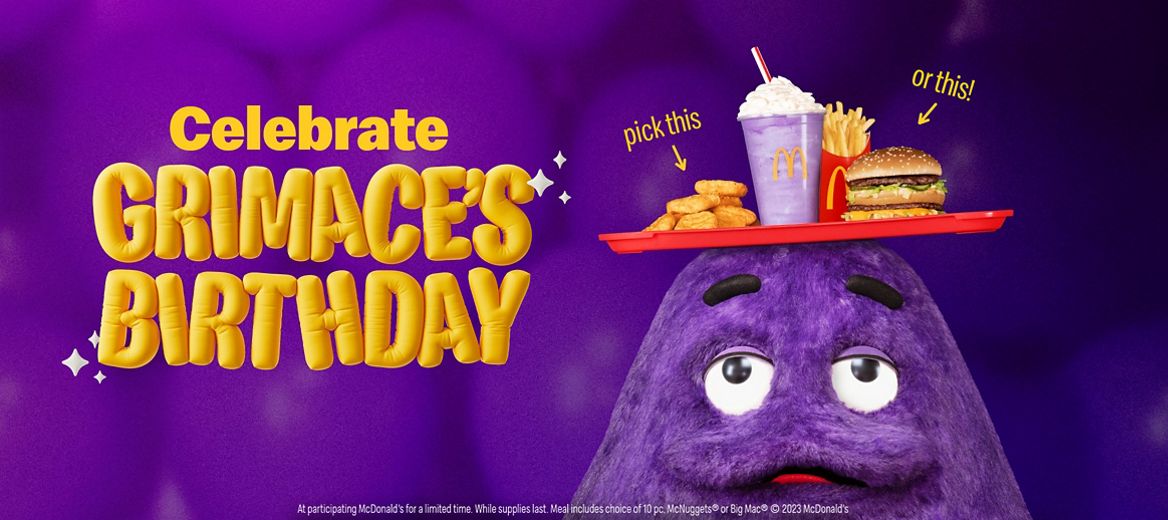
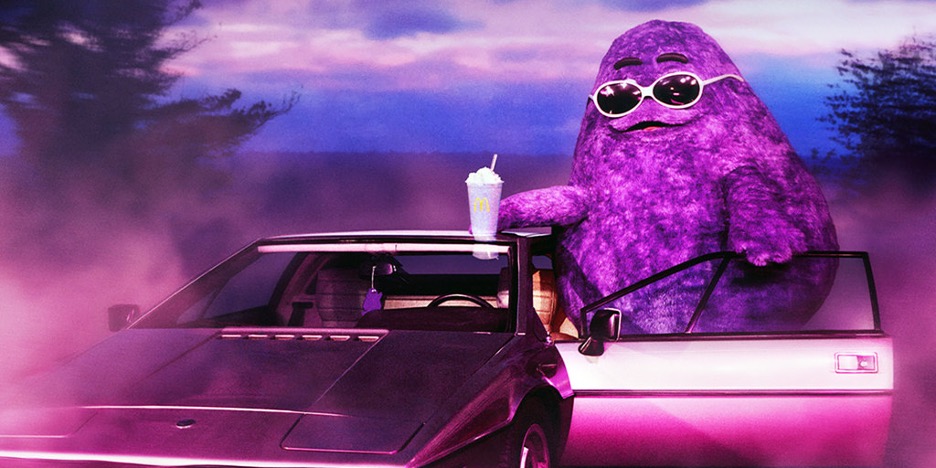
An example of a massively viral campaign gone completely off the rails is the McDonald’s celebration of the goofy purple-blob mascot Grimace and the return of the limited-time offer, purple “Grimace Shake”.

Photo: McDonald's

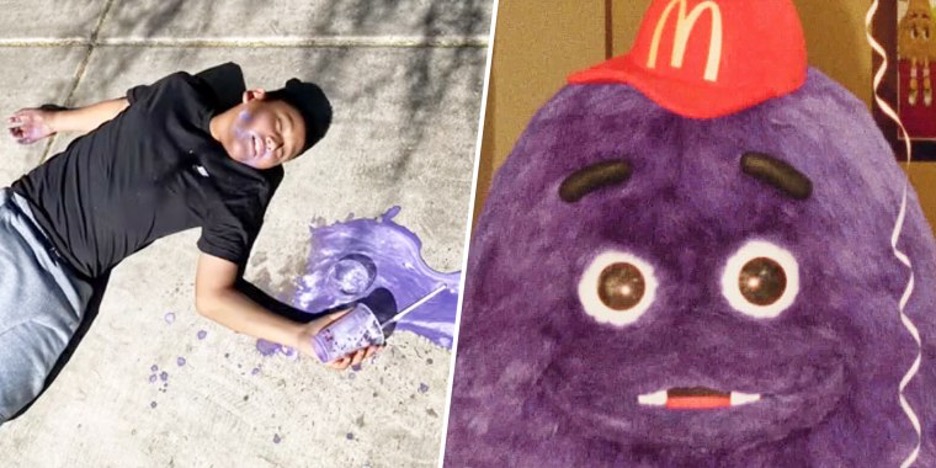
In the "Grimace Shake" TikTok trend, users have created mini horror movies mocking the effects of drinking the mysterious concoction.

That’s right.

Horror movies.

I can just imagine the boardroom meeting at McDonald’s.

“What’s the status report?”

“Good news boss! Our Grimace Shake is going viral on TikTok!”

“That’s amazing. Tell me more.”

“Well, what’s trending is… kids drink the shake!”

“Terrrific.”

“And then… well, this is awkward.”

“Yes, go ahead. Out with it.”

“After they drink the shake, they… ummmm… convulse and die.”

“WHAAAAAAAT?” *Boss spits coffee all over shiny conference room desk*

END SCENE.

So, what is really going on here? Thousands of examples on the social media platform show users in a creepy scene after trying out the mysterious beverage (which is meant to celebrate Grimace’s birthday). Shortly after taking a sip of the special shake, the video cuts to the creators mimicking horror movie-style death scenes. The purple liquid can be found dribbling out of their mouths, splattered like blood all over the floor, and even oozing from their nostrils. It’s all very nasty.

I can't imagine McDonald's could have ever pictured the Grimace shake going viral quite like this.

@ruiz_alv04 via TikTok / @McDonalds via Twitter
It would have been very understandable for McDonald’s to try to put a stop to this trend immediately. Videos of customers literally going crazy and dying from consuming your product? A nightmare!

Or is it?

As a brand, what would you do?

McDonald’s did the right thing.

How?

They sat back and watched.

With a wink and nod from Grimace himself, McDonald’s gave a sly seal of approval essentially saying, “We get it. We’re not going to interfere with this. Go forth and create you crazy rascals! Oh, and btw, please keep eating at McDonald’s!”

Full disclosure - my young son, who typically does not eat at McDonald’s, bought the shake (along with a giant burger meal) immediately when this was all happening.

McDonald’s understood that Gen Z has a particularly wacky sense of humor, and this trend was high praise. Taking an innocent mascot like Grimace and mixing it with a Stranger Things vibe is just… so Gen Z. It’s weird. It’s retro. It’s parody. And even though it’s dark and creepy, it’s playful. It’s the ultimate mashup.

The trend absolutely blew up online with videos containing the hashtag #grimaceshake amassing over 3 billion views.

That’s BILLION.

With a B.

McDonald’s provided the tools - A stylized online campaign featuring a nostalgic retro character, and a weird purple shake. The creative audience provided the content. It’s very hard to intentionally plan something like this. Can you imagine a meeting where a marketing agency pitched this very idea, and promised McDonalds a billion engagements? You’d get kicked out of the room. Even when brands pay big bucks to influencers, the content often seems forced, fake. Gen Z in has a keen bs meter. When marketing content blows up organically and is a genuine positive experience, it’s the best-case scenario a brand can ever dream of.

As an “old man” Gen X’er myself, I hate to admit it but, through their imaginative reinterpretations, Gen Z has not only contributed to popular culture but also transformed the advertising industry itself. As this trend continues to evolve, it presents exciting opportunities for brands to connect with their target audience in new and authentic ways, harnessing the power of user-generated content. But as you can see, proceed with caution.

The “kids today” are indeed leading a revolution, where the remix becomes an art form and advertising becomes a source of inspiration and creative collaboration.

Now please excuse me, I gotta go... I’m suddenly in the mood for McDonald’s.

Photo: McDonald's


June 8, 2023

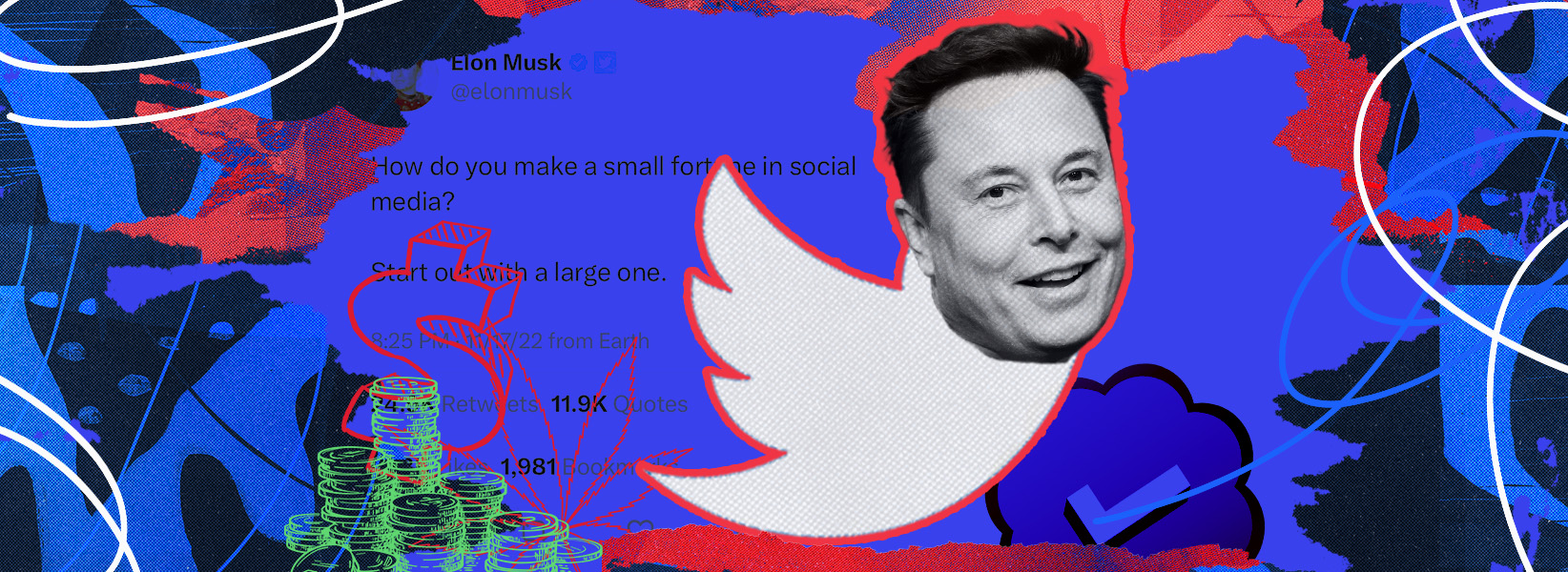
How changes to Twitter have affected Advertisers post-Elon Musk Purchase

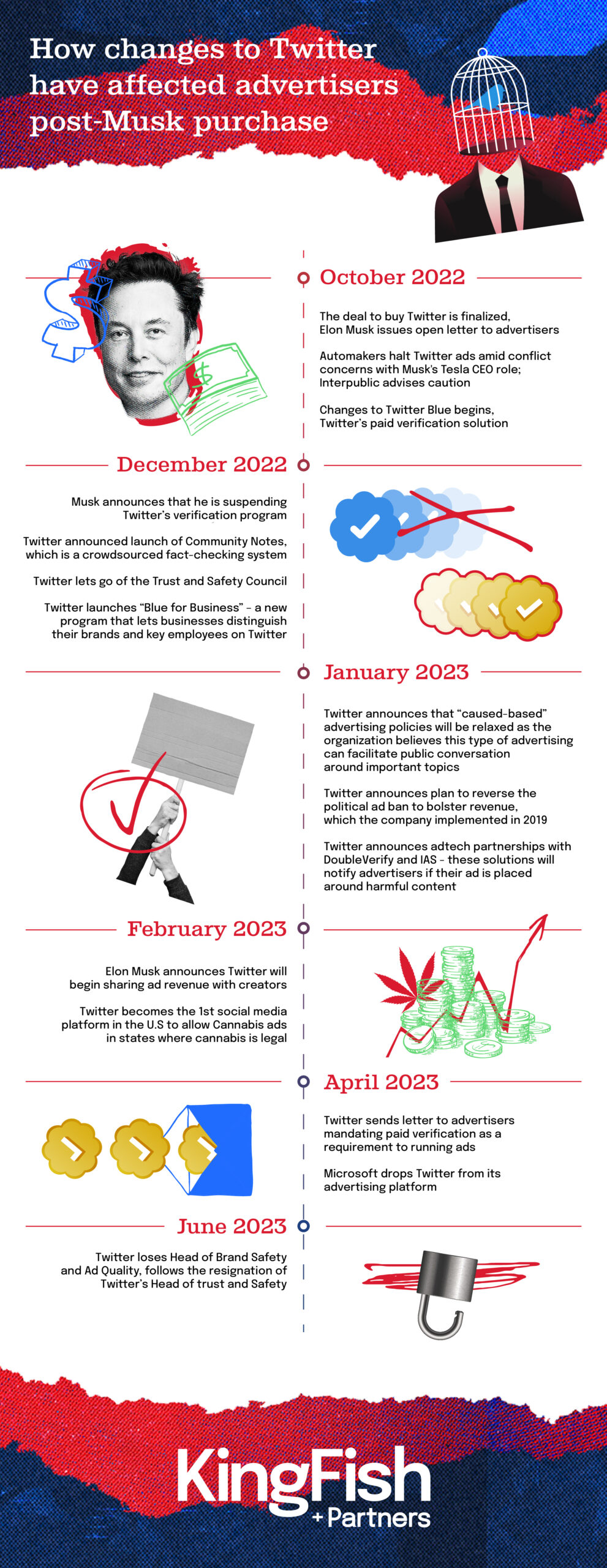
From a $44 billion acquisition to an exodus of advertisers, Elon Musk's takeover of Twitter has sparked a seismic shift. Structural changes on the platform have failed to address harmful speech, leaving brands wary of compromising their 'brand safety.' As Pathmatics analysis reveals, over half of Twitter's top advertisers have pulled the plug. Dive into KingFish's timeline documenting the game-changing alterations on Twitter and their aftermath since Musk's purchase.

Twitter Infographic


May 31, 2023

Design Isn’t Just Aesthetics

Something unique about working for a marketing agency is that all forms of creativity must be tethered to an objective. Here, art isn’t just expression – it’s precise strategy.

As an artist, at the very least your baseline knowledge of design, color, typography, composition, geometry, white space, aesthetics, trending styles, etc. needs to be top of class. That knowledge is why you’re getting hired. However, good design is only the foundation. You are more than just an artist. You are a marketer, a thinker, a strategist.

Aside from aesthetics, here are a few principles I employ when designing a brand:

Be Memorable

  • Solid brand identity achieves recognizability at “first glance.” Many times, brands have limited time, real estate, and budgets to pull off making a name for themselves. Every second counts. This means designs must combine elegant simplicity with complex messaging into a single punchy product. From colors, to the form, to resonating visual themes, designs must stand out. And stand out well.

Think Like a Consumer

  • As an artist it may be natural to think about designs from a solely aesthetic perspective. But designers also need to think about how a consumer may be interacting, interpreting, or remembering these designs. Consumers don’t always have an artistic eye. So, if your design is too abstract without being clear in its messaging, or is hard to read, or doesn’t resonate with the target audience, the designer may need to rethink “how can I help my audience appreciate what they’re seeing?” It may mean adjusting, simplifying, or clarifying your vision.

Achieve Multiple Goals

  • Good design should be able to juggle multiple things at once with precision. Is your brand identity elegant? Representing the industry well? Standing out against the industry well? Achieving the tone and goals of the client? Easy for other designers to utilize? Good design balances all without blinking an eye.

Designing a brand isn’t only about creativity. It’s about understanding some of the most abstract parts of the human experience and then turning them into concrete products. Good designs are beautiful. But the best designs achieve goals.

March 21, 2023

Top 16 Reasons to Work at a Small Agency

King Fish launched in 2001. Intentionally, the goal was to stay small and manageable – for the sake of clients and employees. After 16 years, it’s clear we were correct to build a marketing agency that met the criteria we set for ourselves. From within, our team believes there are key advantages to working at firms of our size. Here’s why.

March 13, 2023

When Emotions and Experiences Are Sacrificed

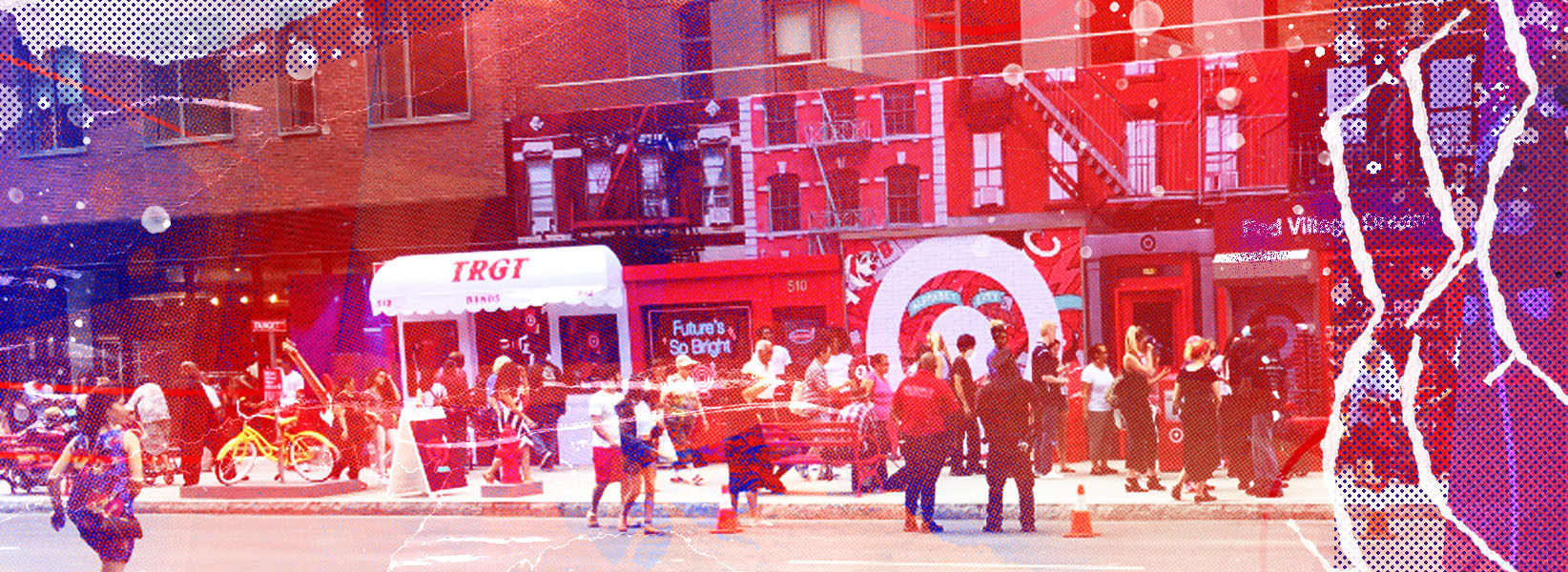
We're throwing it back to 2018 — when Target celebrated the opening of its new storefront on the Lower East Side, Target — and when production partner, David Stark, created fake storefront facades mirroring the street as it was in the 70s. Included was an “homage” to famed NYC dive bar/music venue CBGB (the venue was shuttered in 2006). CBGB is considered the mecca of punk rock and new-wave, the place where bands like Blondie and the Ramones cut their teeth. The installation featured Target-branded exercise bands, and band-aids (get it?), as well as a poster inscribed with “The Resistance”. The installation was met with the expected outrage and ire, forcing Target to issue an apology.  

Why were people so miffed about a squeaky-clean brand co-opting the likeness of a dingy, dirty, club? It comes down to authenticity, or the lack thereof.  

Among many things, the internet has afforded us the opportunity to find our tribes, and our identities as individuals are linked to these groups — and to be honest, brands toe a fine line when trying to connect with these communities. Whether you are a yogi or a gearhead, you can sniff out fraud from a mile away.  

As a brand, you must be aware of the emotional connections that people have to their tribes. If you do not take that into consideration, the results are cringe-worthy and can derail your standing within that group. Trust us, you will know when you missed the mark. (One should never underestimate the power of the comments section. People can be savage.) Musicians, fitness buffs, makeup artists and nerds are all passionate about their niches. Everyone knows you are trying to sell them something. How do you execute on that pitch? Well, therein lies a world of subtlety. As an agency, our role is to help brands understand what makes tribes tick, and then to find the best ways to speak their language.  

But language extends beyond words. Color, photography, and tone of voice must be in lockstep with each other. Not only do you have to create an emotional connection, you must position yourself as an insider, someone who has been in the trenches with your customer. You saw the Talking Heads play at CBGB. You, too, get up at 5 AM to flip tractor tires. You know the best drug-store mascara. These kinds of insights are revealed through talking with your customers, and most importantly, listening to them. It must feel real, and that is hard.  

As a creative partner, and as members of many different tribes, we bring a diverse set of beliefs and experiences to the table. We can be that objective eye. Let us help you understand your customers and deliver creative that truly connects. The last thing you want is to be the TRGT of an angry tribe. 

February 14, 2023

Why We Love KingFish

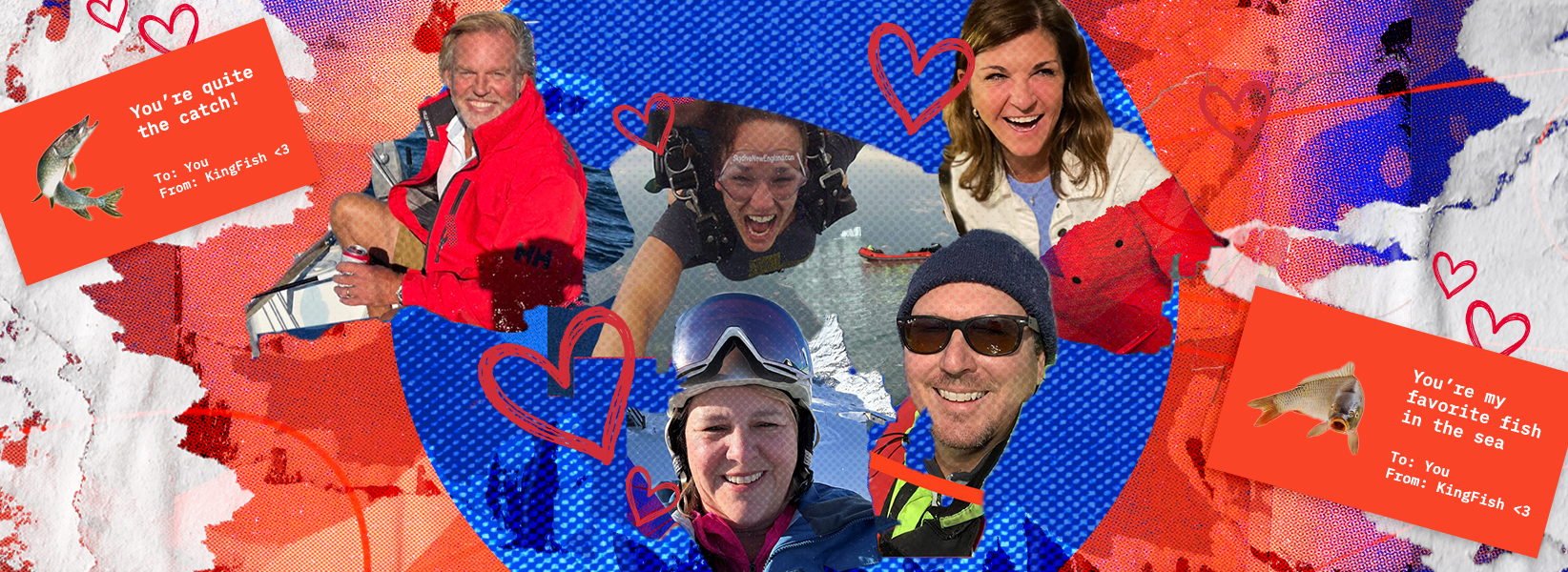
Maybe we’re tooting our own horn, maybe we all like each other a little too much, but in honor of Valentine's Day Day the team has collected our sentiments on what we love about working at KingFish. Thank you to all who have come along for the journey. What a fun ride it continues to be. Love ya!

My passion is surrounding myself with incredibly clever people who think differently and solve problems. I experience this from every one of my teammates, and I am extraordinarily grateful for that reality.

- Cam, President & CEO

I love when our KF team gets together for a brainstorm session. I work with such a strong, creative group of individuals and I am always inspired by the ideas (and laughs) that come out when we are solving marketing challenges.

- Lisa, Account Director

As a Creative Director, I get to play Cupid between brands and their audiences — crafting the perfect match of message and emotion. The best creative ideas, like the best relationships, take time, passion, and a spark of excitement. Happy Valentine's Day!

- Scot, Creative Director

KingFish embodies collaboration. I love that we are motivated by the meaningful connections we make with each other and our clients. All of this consistently inspires us to push past the status quo.

- Rosemary, Account Manager

What I love most about working at KingFish is the energy and commitment of the team — everyone is focused on improving, challenging each other, and bringing their unique backgrounds to the table. There’s a shared passion for storytelling and delivering work that is both authentic and impactful.

- Seth, Account Manager

The best part about working at an agency like this is always, always, always, the people. Brilliant, clever, hardworking, fun, incredible people. The clients, the team, the whole process constantly brings me joy.

- Ariele, Associate Art Director

I love that KingFish is a company that is always challenging and encouraging its people to grow both personally and professionally. I've spent the bulk of my career here because of it.

- Sandi, Account Director

I love KingFish because our team is dedicated. It’s so much fun to deliver high-quality work with high-quality people.

- Maria, Project Manager

January 14, 2023

Can an Agency Save a Brand From Itself?

We’ve all seen organizations — regardless of their size — make huge mistakes. Whether it be a financial institution, sports organization, or local business — mistakes can be costly, and even more so if a strong communication strategy is not put in place immediately.  

It makes us wonder, how many of a company’s customers would remain loyal — following the mishap — if the company had simply told its customers the truth? 

We’ve been reflecting on an article from AdAge by global brand strategist and self-professed contrarian Jonathan Salem Baskin. He states, “The real challenge isn't to find ways to avoid the truth or distract consumers from it (or shudder when it is revealed), but rather to creatively present it and make sure people understand it. 

This leads us to ask ourselves a more fundamental question: How can our agency help before the crisis? 

Can a marketing agency help save a brand from itself? Can we help establish a trusting relationship between a brand and its consumers? 

The answer is yes. Here’s how. 

Our clients hire us for our expertise. 

They know their product and targets. We know the other players in the market, their voice, and their perceived competitive advantage. 

Our job is to identify then leverage fresh opportunities for education, for nurturing our clients, and exploiting where the competition has no true advantage. That does not mean calling out competitor’s weaknesses but rather using market expertise to expose new benefits. 

It is our responsibility to establish a unique voice that is authentic to the client. Authentic is not a buzzword. Consumers demand it. We need to deliver. 

We need to creatively use examples, case studies, testimonials--something no customer of Equifax or Wells Fargo could ever give today--to build confidence for our client’s brands.  

A great customer experience is at the core of every brand’s mission or should be. If the client says it, make sure they mean it. 

Most importantly, we’ve got to listen. Listen carefully and call out BS when we hear it — and encourage brands to do the same. Agency relationships with our clients need to be exactly what we advise and encourage the client to have with their customers — open, honest, and trusting. 

October 31, 2022

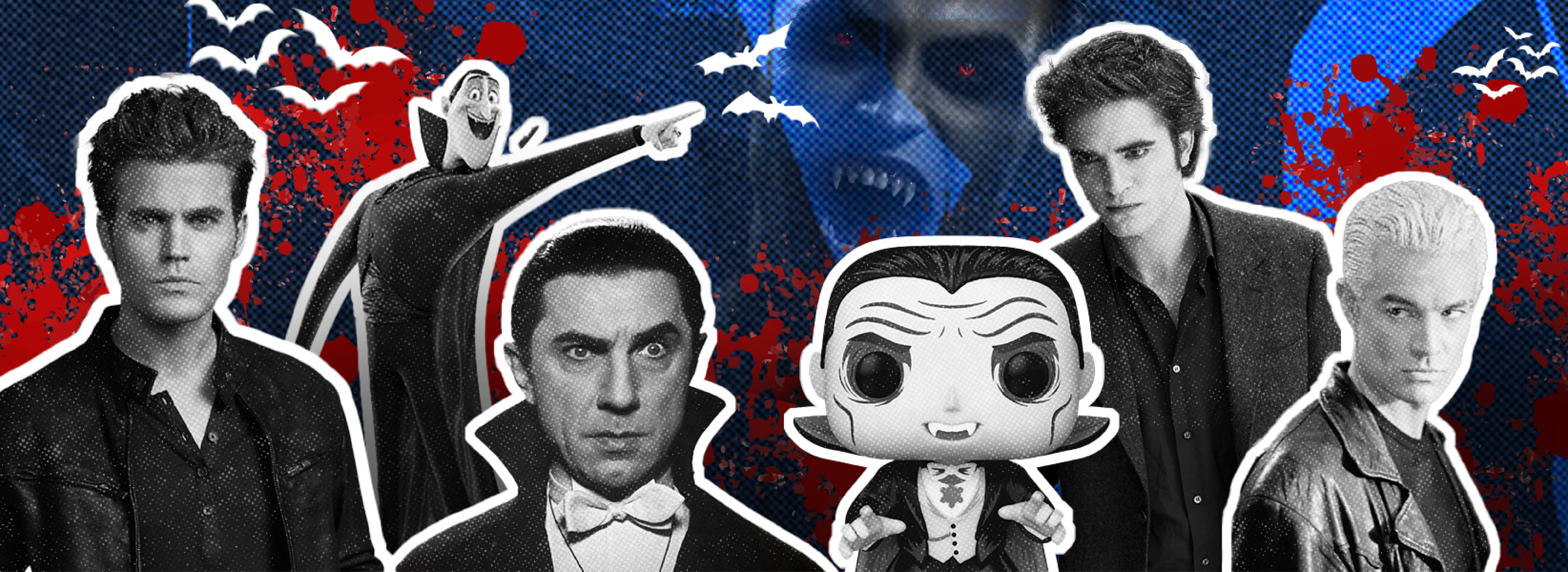
Blood, Beauty, and Branding: How Vampires Have Captivated The Modern Era

Creatures with vampiric characteristics and traits can be traced all the way back to ancient Greece, with stories of these blood-thirsty beings attacking innocent civilians and draining them of bodily fluids. Fast forward to the medieval times where in Europe there was talk of walking corpses who drank the blood of the living and spread diseases far and wide. These spooky tales existed far before channels of modern media existed, yet somehow Vampires have evolved with the rest of pop culture to captivate audiences in today’s day and age. They are proof that even ancient ideas can be modernized.

The iconic tale of Count Dracula, popularized by Bram Stoker in 1897, serves as a cornerstone of modern vampiric lore in English literature and media. This chilling narrative was set in England, and involved Dracula, a mortal Transylvanian vampire, who sucked his victim’s blood and had an evil lair. This initial depiction marked a significant shift from earlier representations of vampires, moving them from monstrous blood-thirsty creatures to alluring occults. This transformation can be traced back to John Polidori’s 1819 short story, "The Vampyre," where Lord Ruthven, inspired by Lord Byron, set the precedent for vampires as sophisticated and charismatic figures.

Historical accounts reveal that the vampire mythology predates Dracula and is actually steeped within England’s local lore and cultural practices. For instance, the Croglin Vampire (Cumberland, 18th century), and the Buckinghamshire Vampire, (Newburgh, 12th century) illustrate how communities reacted to the concept of the undead as a whole.
As the vampire myths and legends evolved, these fanged occults became increasingly romanticized in popular culture.

The Croglin Vampire (David Castleton)

In the 20th century vampires began to change from being depicted as predominantly animalistic creatures and to displaying more human-like characteristics. In addition to humanization, focus also ultimately shifted from a reputation of terror to a rather romantic and charming allure. Dracula could never—the vampire’s we see in the media today are more heartthrob than horror. This transformation is evident in modern portrayals that emphasize the vampire’s charm and fascinating complexity, inviting audiences to explore themes of immortality and redefine moral interpretations. The enduring appeal of vampires is reflected in their depiction in works like The Vampire Diaries and Twilight, solidifying their place in popular culture as well as predominantly shedding a new light. These vampire TV shows have become quite popular among a wide variety of audiences, and though the attractive actors and actresses might initially sell the show, the audience falls in love with the vampire storylines and characters as well.

But what does marketing have to do with vampires?

The Vampire Diaries Cast (TV Insider)

The complex yet rich history of vampire folklore highlights how these iconic figures have proficiently been redefined highlighting the monstrous power of rebrand.. Though vampires may be fictional, let their tangible identity shifts within the media serve as a compelling example of how brands can successfully adapt to shifting cultural landscapes while staying true to themselves. sometimes staying relevant requires rebranding to keep up with the times—whether you're a bloodsucker or a business. Who knew we could learn a thing or two from vampires?

Eldridge, Alison. "vampire". Encyclopedia Britannica, 11 Sep. 2024, https://www.britannica.com/topic/vampire. Accessed 15 October 2024.
The Rebranding of Vampires: From Horror to Pop Culture
History.com Editors. (2024, June 25). Vampire history. History. https://www.history.com/topics/folklore/vampire-history
Karger, J. (n.d.). The evolution of the vampire. Fictionate. https://fictionate.me/blog/evolution-vampires-popular-culture
Wikipedia contributors. (n.d.). Vampires in popular culture. Wikipedia. Retrieved October 28, 2024, from https://en.wikipedia.org/wiki/Vampires_in_popular_culture

Independent.
Full service.
24 years and running.

We’re always down to put heads together. Reach out to kick off a new partnership.

kingfish-logo-square
kingfish-partners-text-logo-footer-v4

© KINGFISH | KINGFISH + PARTNERS™ IS A TRADEMARK OF KING FISH MEDIA, LLC.
© 2025 WETWARE | WETWARE™ IS A TRADEMARK OF KING FISH MEDIA, LLC.
PRIVACY | TERMS